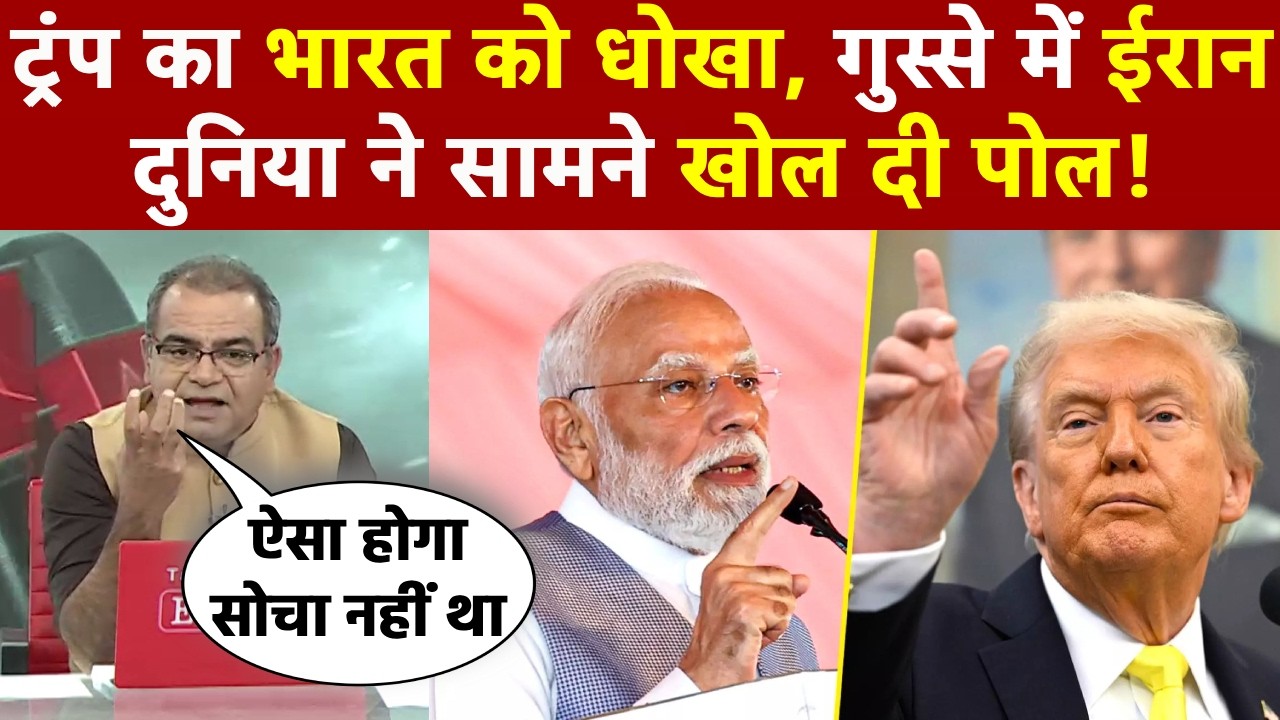
The ongoing Iran–US–Israel conflict has taken a dramatic turn, sending shockwaves across global politics—and India is now feeling the impact too. From Donald Trump’s aggressive warnings to Iran’s unexpected counter-moves, the situation is evolving rapidly and keeping the entire world on edge.
Trump’s Big Warning: “Infrastructure Will Be Destroyed”
Recent developments show that Donald Trump has issued one of his strongest threats yet to Iran. He warned that if Iran refuses to comply with US demands—especially regarding the Strait of Hormuz—America could target:
- Oil facilities
- Power plants
- Water and desalination systems
This warning came as tensions escalated after attacks on key energy infrastructure in the region.
At the same time, Trump also hinted at negotiations, claiming progress—but Iran has outright denied any direct talks.
👉 This mix of threats and diplomacy has created confusion globally.
Iran’s Surprise Move Shocks the World
While the US expected Iran to back down, Tehran responded aggressively instead:
- Attacked Israel’s largest oil refinery
- Targeted US-linked bases and Gulf infrastructure
- Disrupted global oil routes
These moves caught even US leadership off guard, despite prior intelligence warnings.
👉 Iran has shown it is ready for prolonged confrontation, not quick surrender.
🇮🇳 Why India is Shocked
India may not be directly involved in the war, but the impact is massive:
1. Oil Crisis Fear
- The Strait of Hormuz is crucial for India’s oil imports
- Any disruption leads to fuel price hikes in India
2. Neutral Diplomatic Stand
India has taken a balanced approach, calling for peace and avoiding direct criticism of any side.
3. Political Pressure
- Opposition parties are questioning India’s stance
- Government is under pressure to protect economic interests
👉 In short, India is stuck between global diplomacy and domestic economic risk.
Global Impact: Oil, Economy & War Risk
The war is no longer regional—it’s global:
- Oil prices have surged above $100+ per barrel
- Shipping routes disrupted
- US military presence increasing in Middle East
- Fear of full-scale war rising
Even US allies are divided, with some refusing to join military action.
Is Peace Possible?
Interestingly, despite strong rhetoric:
- Trump has shown willingness to end the war without key conditions
- Backchannel negotiations are ongoing via countries like Pakistan and Turkey
- Iran remains firm and cautious
👉 This suggests war and diplomacy are happening side-by-side
What Happens Next?
Experts believe three scenarios are possible:
- Full-scale war escalation
- Temporary ceasefire with unresolved tensions
- Long-term geopolitical standoff (like Cold War style)
Right now, the situation remains highly unpredictable.
Conclusion
The Iran–US–Israel war has become one of the biggest geopolitical crises of 2026.
- Trump’s aggressive stance has shaken global stability
- Iran’s bold retaliation has surprised the world
- India finds itself indirectly affected through oil, diplomacy, and economy
👉 The biggest takeaway:
This conflict is no longer just about three countries—it’s about global power, energy, and the future of international politics.